Foreign material contamination may feel like an inevitable part of food production, but the 2025 Foreign Material Contamination Benchmark Report reveals a clear pattern: producers who take proactive measures are seeing fewer incidents and costly interruptions than those stuck in a reactive cycle.
Across sectors, teams that invested in structure, prevention, training, and supplier engagement saw noticeable declines in foreign material incidents. Those who waited for issues to surface before acting? They experienced the opposite.
This divide is more than a trend. It’s a roadmap for producers looking to reduce risk and improve their foreign material response.
The Cost of Reacting
Reactive responses to foreign material contamination are unfortunately all too common. Aging equipment, insufficient preventive maintenance, new or inexperienced staff, and weak supplier oversight all contribute to rising incidents of foreign material. In some cases, well-intentioned process changes can actually increase the likelihood of contamination.
The consequences of waiting to respond are significant. Recalls, rework, and product disposal aren’t just costly—they can erode consumer confidence and damage supplier relationships. The report revealed that nearly 40% of producers who experienced an increase in foreign material cited equipment issues as a primary driver. When detection systems fail or are inconsistently calibrated, the result is not only lost product, but lost trust.
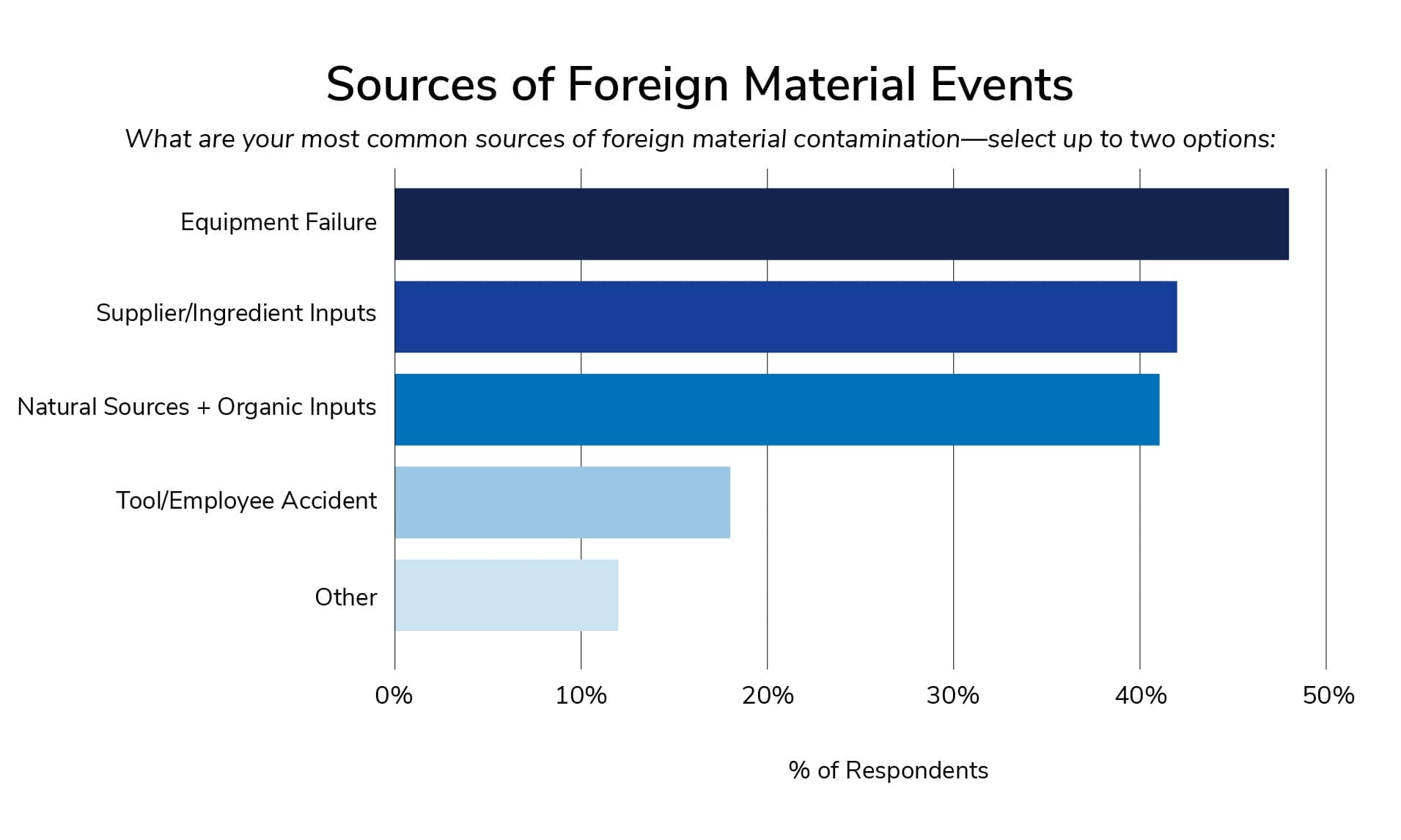
And it’s not only equipment. The influx of new employees without sufficient training or awareness of foreign material risks can unintentionally introduce contaminants. Similarly, sourcing from suppliers without robust validation programs opens the door for foreign materials to enter the production chain undetected. In all of these cases, a reactive posture means incidents are addressed after the fact, often at great cost.
The Power of Proactive Measures
Proactive producers take a different approach: they anticipate issues before they become crises. Their strategies include:
- Process Improvements — Corrective action plans, refined inspection protocols, and standardized operating procedures help ensure every step of production is optimized to minimize foreign material risk.
- Advanced Detection Technology — Inline sieves, strainers, magnets, and X-ray systems allow producers to catch contaminants before they reach consumers. Implementing these systems thoughtfully, rather than haphazardly, is critical to effectiveness.
- Preventive Maintenance — Regular equipment checks, X-ray detectable components, and monitoring parts before mean time to failure can prevent equipment from becoming a source of contamination.
- Supplier Validation Programs — Monitoring supplier adherence to foreign material specifications strengthens trust in the supply chain and limits upstream contamination.
- Root Cause Analysis — Systematically identifying and addressing the source of contamination helps prevent repeat incidents, turning one problem into long-term improvement.
- Leadership Engagement and Food Safety Culture — Teams aligned with leadership priorities, communicating effectively, and committed to shared safety goals are far more likely to see sustained reduction in foreign material incidents.
Proactive producers also understand that not every increase in detected foreign material is negative. Implementing advanced detection can temporarily flag more incidents. But, catching these problems early prevents them from escalating into recalls or widespread rework, ultimately saving time, product, and reputation.
Why Proactive Measures Work
Two producers might invest in the same detection technology, but outcomes vary dramatically depending on training, culture, and procedural rigor. Proactive approaches tie technology, process, and people together, creating a system that consistently identifies and mitigates foreign material before it reaches consumers.
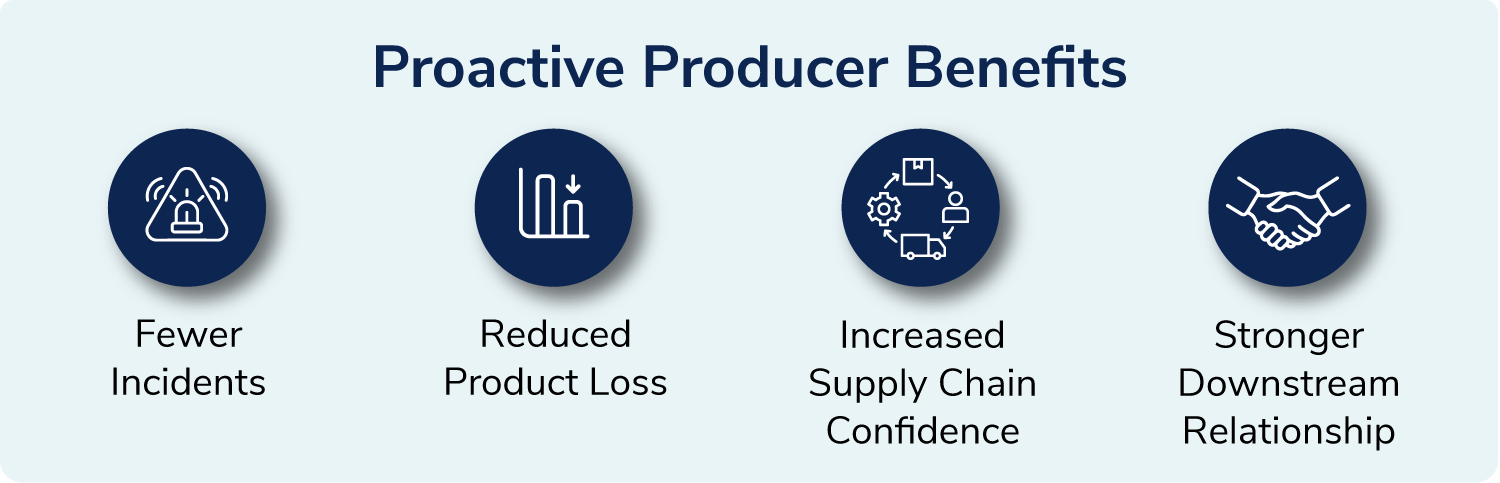
In practice, proactive producers see tangible benefits: fewer incidents, reduced product loss, improved supply chain confidence, and stronger relationships with downstream customers. Every incident that is caught early avoids potential brand damage and financial loss, demonstrating the clear ROI of forward-thinking foreign material control strategies.
Applications: Turning Lessons Into Action in 2026
As you prepare for 2026, the food and beverage industry continues to evolve—facing rising ingredient costs, shifting supply chains, and changing regulations. These challenges also bring an opportunity: applying lessons from industry leaders to protect your products and your brand from foreign material contamination.
Process Improvement
Start by asking yourself: how can your internal processes be stronger in the year ahead? Review inspection frequency, corrective action plans, and operational protocols. Proactively addressing gaps now reduces the likelihood of foreign material incidents later.
Testing Your Technology
Technology only works as well as the plan behind it. Make a plan to validate your in-house detection systems within the first quarter of 2026. FlexXray can partner with your team to audit and stress-test your detection technology, ensuring it catches contaminants before they reach the market.
Preventative Maintenance
Aging or poorly maintained equipment is a common contributor to foreign material issues. Take a fresh look at your preventative maintenance plan: are components inspected ahead of their expected mean time to failure? Are X-ray-detectable parts used wherever possible? Proactive maintenance prevents small issues from becoming production-halting problems.
Supplier Validation
Foreign material can enter the supply chain long before it reaches your facility. Implement or strengthen supplier monitoring and validation programs to ensure ingredient compliance with your foreign material specifications. FlexXray can help provide independent verification and insights into upstream risk, giving you confidence in every ingredient you use.
Root Cause Analysis
Conducting thorough root cause analysis allows you to iteratively improve your processes. FlexXray’s expertise can complement your internal investigations, helping pinpoint sources of contamination and preventing recurrence.
Leadership Engagement
Strong outcomes require strong leadership. Engage your management team in food safety initiatives, reinforce a culture of accountability, and incorporate learnings from professional trade shows and industry events to stay ahead of emerging risks. When leadership is actively involved, proactive foreign material management becomes part of your company’s DNA.
Looking for a foreign material prevention partner?
Proactive foreign material management doesn’t have to be a solo effort. FlexXray works with producers to implement third-party inspection and validation programs that complement internal controls. Our expertise allows producers to:
- Validate internal detection systems for effectiveness
- Identify foreign material that internal processes may miss
- Improve supplier monitoring and verification programs
- Reduce product loss through targeted intervention rather than wholesale disposal
By leveraging FlexXray as a partner, producers can implement a proactive, multi-faceted approach that addresses both immediate risks and long-term process improvement.
Foreign material contamination is inevitable in any complex production environment—but its negative impact doesn’t have to be. Proactive approaches, executed with rigor and supported by advanced technology and expert partnerships, offer measurable improvements in safety, efficiency, and profitability.
For producers, the message is clear: don’t wait to react. Proactive approaches drive measurable improvement, while reactive strategies often exacerbate the problem. Evaluate your processes, strengthen your supplier relationships, invest in detection technology, and engage your leadership.
When you need a trusted partner to help bring these strategies to life, FlexXray stands ready to ensure your product reaches the market safely, efficiently, and with confidence.